
Why Idol Variety Shows Are the Hardest Content to Follow Untranslated
Published 2026-10-10 · 4 min read
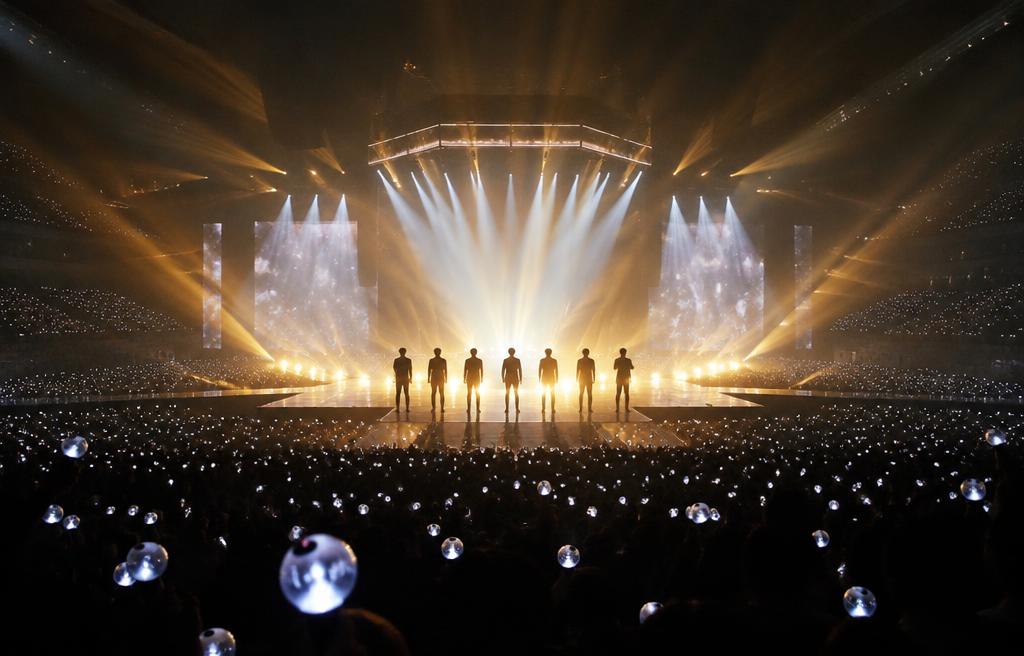
There is nothing quite like watching your favorite idols let loose on a variety show. Whether they are playing chaotic party games, cooking together, or teasing one another, these shows offer the rawest, most entertaining glimpses into their personalities.
However, ask any international fan, and they will tell you the same thing: raw, untranslated variety shows are some of the hardest Korean media to follow. While you might be able to get the gist of a K-drama with basic language skills, variety shows present a unique set of linguistic hurdles. Here is why variety content is so challenging to watch untranslated, and how you can make your viewing experience seamless.
The Chaos of Multiple Overlapping Voices
Unlike scripted dramas where actors take clear turns speaking, idol variety shows are a masterclass in beautiful chaos. When five, seven, or more members are placed in a room together to play games or complete missions, the crosstalk is constant. Multiple conversations happen simultaneously, making it incredibly difficult for language learners or international fans to isolate a single voice.
By the time your brain tries to parse what one member said, three others have already chimed in with reactions, jokes, or teasing remarks. This overlapping audio makes traditional listening practice feel nearly impossible without real-time assistance.
- Rapid-fire banter where multiple members speak at the same time.
- High-energy reactions, gasps, and laughter that drown out spoken words.
- Background chatter that contains crucial inside jokes but gets lost in the noise.
On-Screen Captions and Complex K-Variety Editing
Korean variety shows are famous for their heavy use of on-screen captions. These aren't standard subtitles; they are creative, highly stylized text boxes added by editors to inject humor, explain a member's inner thoughts, or highlight funny sound effects. Often, the funniest jokes of the entire episode aren't spoken out loud—they are written on the screen.
For global fans, trying to look back and forth between the members' faces, the spoken Korean, and the stylized on-screen text is an exhausting visual juggle. If you can't read those fast-moving graphic captions, you are missing out on half of the show's humor and charm.
- Bright, stylized text that adds context, thoughts, or sound effects.
- Sarcastic commentary from the show's editors written across the screen.
- Dialects, slang, and wordplay highlighted in colorful graphics.
Cultural References, Slang, and Inside Jokes
Variety shows are deeply embedded in current trends. Idols constantly reference popular internet memes, shorten long phrases into trendy acronyms, or play games based on classic Korean folklore and wordplay. Without a deep understanding of local pop culture, even a literal word-for-word translation in your head might leave you completely confused about why everyone is laughing.
This is where static translation falls short. You don't just need to know what the words mean; you need to understand the cultural context behind the reaction to truly feel like part of the fandom.
- Trending internet memes and acronyms popular among K-fans.
- Cultural references to classic Korean TV, games, or folklore.
- Fandom-specific inside jokes that require deep contextual knowledge.
How Echo Bridges the Variety Show Gap
If you are tired of waiting days for fan-subbed episodes or struggling to keep up with raw livestreams and variety clips, Echo is here to help. Designed specifically for global fans, Echo offers real-time audio and on-screen translation on your iPhone, allowing you to bridge the language gap instantly.
With Echo's powerful real-time translation modes, you can finally follow the rapid-fire banter, understand those chaotic screen captions, and enjoy your favorite variety content the moment it drops. No more guessing, and no more FOMO.
- Real-time audio translation to capture fast-moving conversations on the fly.
- On-screen text translation to quickly decode complex variety captions and graphics.
- An intuitive iOS experience designed to keep you immersed in the content.
Answers, before you ask.
Why are variety shows harder to understand than K-dramas?
Variety shows feature rapid overlapping speech, heavy use of stylized on-screen graphic captions, and fast-paced cultural slang, making them much harder to follow than structured dramas.
How does Echo help me watch raw variety show clips?
Echo is an iPhone app that provides real-time translation for audio and on-screen text, helping you decode spoken banter and fast-moving captions instantly.
What languages does Echo support?
Yes, Echo supports English, Simplified Chinese (简体中文), and Traditional Chinese (繁體中文), making it easy for global fans to enjoy content.